




Lane Bradbury Biography, Career, and Legacy of the American Actress and Writer
Early Life and Artistic Foundation of Lane Bradbury
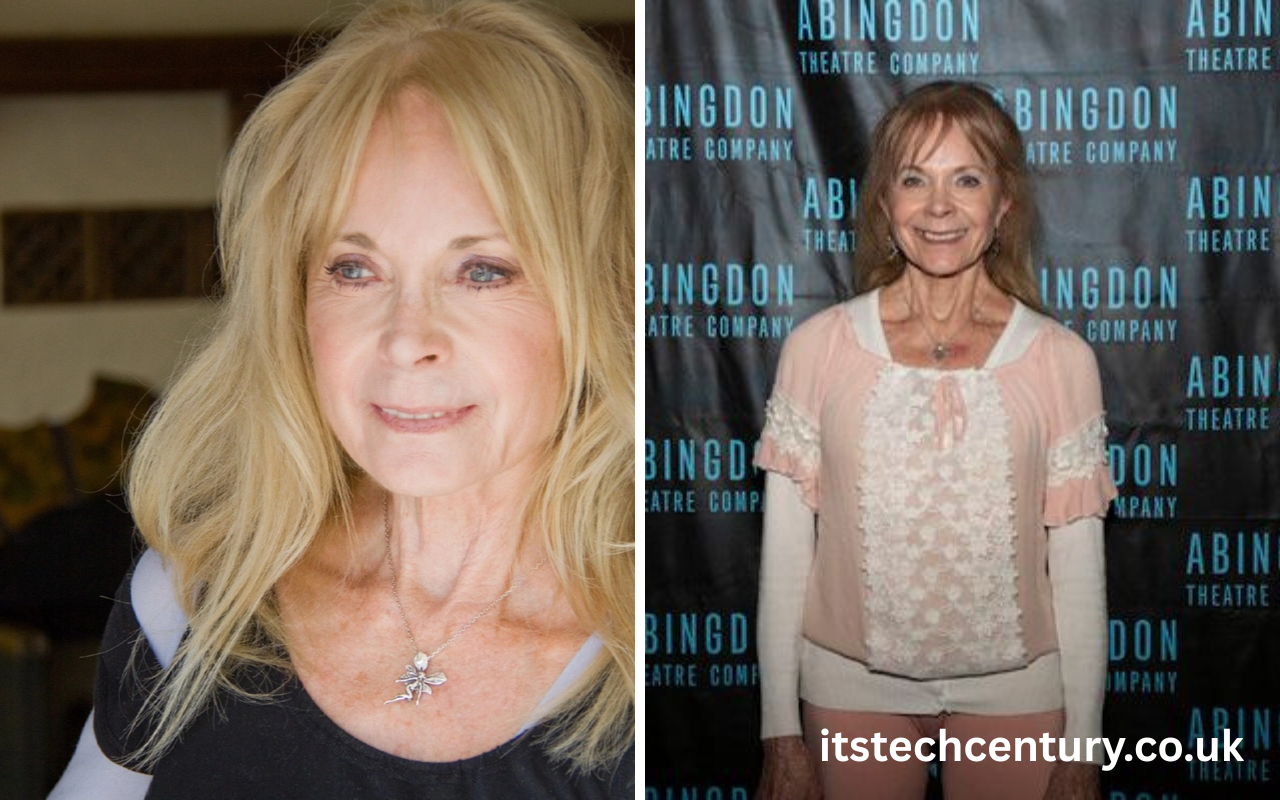
Lane Bradbury, born Janette Lane Bradbury on June 17, 1938, in Buckhead, Georgia, developed an early passion for the performing arts that shaped her entire life. She began studying ballet at a very young age and quickly showed natural talent, eventually becoming part of the Atlanta Ballet as a teenager. This early exposure to disciplined movement and stage presence laid the foundation for her future acting career.
Her family environment and early artistic training played a major role in her development as a performer. As she grew older, she became increasingly interested in dramatic arts in addition to dance, which led her toward acting as a long-term career path. This transition marked the beginning of her journey from dance studios to professional stages.
In her late teens, she moved to New York City to pursue acting more seriously. There she studied at the prestigious Actors Studio, an institution known for shaping some of the most influential performers in American theatre history. Her acceptance at such a young age reflected both her talent and determination.
Broadway Breakthrough and Theatrical Recognition
Lane Bradbury began her professional acting career on Broadway, where she quickly gained attention for her strong stage presence and emotional depth. One of her earliest roles was in the production J.B., where she performed alongside well-known actors such as Christopher Plummer. This early opportunity helped establish her credibility in the theatre world.
She later appeared in Tennessee Williams’ The Night of the Iguana, acting alongside legendary performer Bette Davis. Her ability to hold her own on stage with such established stars demonstrated her growing reputation as a serious actress in American theatre.
A defining moment in her career came when she became the first actress to portray Dainty June in the original Broadway production of Gypsy. This role remains one of her most recognized contributions to stage history and is often highlighted when discussing her legacy in musical theatre.
Transition to Television and Expanding Fame
After her early success on stage, Lane Bradbury transitioned into television during the 1960s, where she became a familiar face in American households. Her move to Los Angeles with her husband, actor Lou Antonio, marked the beginning of a long and active television career.
She appeared in numerous popular TV series, including The Fugitive, Gunsmoke, The Mod Squad, The Partridge Family, and The Waltons. These roles allowed her to explore a wide variety of characters, from dramatic guest appearances to emotionally complex supporting roles.
Her recurring appearances in shows like Gunsmoke helped solidify her reputation as a reliable and versatile television actress. During the 1970s especially, she became a frequent guest star in some of the most-watched programs of the era, making her a recognizable figure in American TV drama.
Film Career and Notable Screen Roles
Lane Bradbury also built a strong presence in film, taking on roles in both theatrical releases and television movies. One of her most well-known performances came in Alice Doesn’t Live Here Anymore (1974), a critically acclaimed film that remains a classic of American cinema.
She also appeared in The Ultimate Warrior (1975), a science fiction action film, where she played a supporting role in a post-apocalyptic setting. While not always in leading roles, she contributed meaningful performances that added depth to each production.
Other notable projects include television films such as Maybe I’ll Come Home in the Spring (1971) and To Dance with the White Dog (1993). These roles demonstrated her ability to adapt to emotional storytelling across different genres and formats.
Acting Style and Professional Identity
Lane Bradbury is often recognized for her emotionally expressive acting style and strong screen presence. Her background in ballet gave her a natural physical awareness that enhanced her performances, especially in emotionally demanding scenes.
She developed a reputation for portraying characters with emotional depth, often playing women facing personal conflict or transformation. This made her a frequent choice for dramatic television roles during the 1960s and 1970s.
Her training at the Actors Studio also influenced her method-based approach to acting, allowing her to bring realism and subtle emotional detail to her performances across stage and screen.
Personal Life and Family Connections
Lane Bradbury married actor and director Lou Antonio in 1965, and together they had two daughters before eventually divorcing in 1980. Their relationship is often noted due to their shared involvement in the entertainment industry during the same period.
Her daughter Elkin Antoniou continued the family’s creative legacy by working as a writer and documentary filmmaker. This continuation of artistic involvement reflects Bradbury’s lasting influence beyond her own career.
In addition to her acting work, she has been associated with arts education initiatives and community-based creative programs, showing her commitment to supporting future generations of performers.
Later Career and Continued Work in Entertainment
Even later in life, Lane Bradbury remained active in the entertainment industry, taking on selective roles in television and film. Her continued appearances demonstrate a long career spanning several decades, which is rare in Hollywood.
In more recent years, she appeared in projects such as Billions, showing that she continued to adapt to modern television storytelling. These roles often highlighted her experience and maturity as a performer.
Her later work reflects a career that evolved with time, moving from Broadway stages to classic television and eventually into contemporary streaming-era productions.
Legacy and Lasting Influence in Acting
Lane Bradbury’s legacy is rooted in her contributions to both theatre and television during a formative period in American entertainment history. Her role in Gypsy remains especially significant in Broadway history and continues to be remembered by theatre enthusiasts.
Her extensive television career also left a lasting mark, as she became part of many iconic series that defined mid-20th-century American television culture. Her versatility allowed her to move seamlessly between genres and formats.
Today, she is remembered as a dedicated and adaptable actress whose career reflects both artistic discipline and long-term commitment to performance.