



437 Area Code: Everything You Need to Know About Toronto’s Growing Overlay Code
The 437 area code has become an essential part of Toronto’s telecommunications landscape. Whether you’ve received a call from this number, are considering getting a local phone number, or simply want to understand how Canadian area codes work, knowing the details behind this code can help you make informed decisions.
As Toronto continues to grow, the demand for new telephone numbers has increased significantly. The introduction of additional area codes ensures residents, businesses, and organizations can continue obtaining new phone numbers without changing existing ones. This guide explores the history, geographic coverage, dialing procedures, business implications, and common misconceptions surrounding the 437 area code while providing practical insights that both residents and visitors can use.
What Is the 437 Area Code?
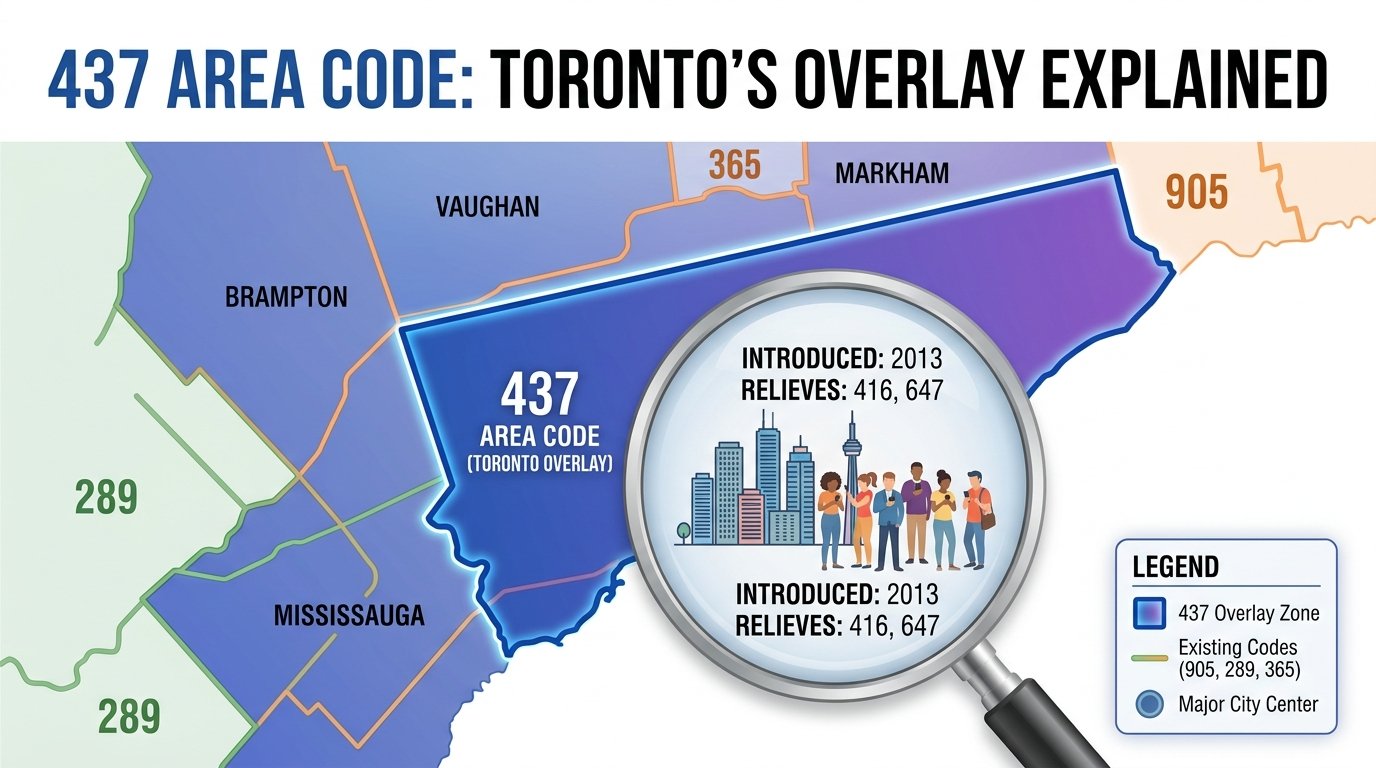
The 437 area code is a telephone area code serving Toronto, Ontario, Canada. Rather than replacing an older code, it functions as an overlay, meaning it serves the same geographic region as several existing area codes. This approach allows telecommunications providers to issue new numbers without requiring current users to change theirs.
Introduced to address the growing demand for telephone numbers, the overlay system reflects Toronto’s rapid population growth, expanding business community, and increasing number of mobile devices. Today, residents may have different area codes while living in the same neighborhood, apartment building, or even household.
Where Is the 437 Area Code Located?
The geographic coverage of this area code is limited primarily to the City of Toronto, Canada’s largest metropolitan center. It operates alongside other established Toronto area codes, creating a shared numbering system that supports millions of residential and commercial connections.
Toronto’s diverse economy, international business presence, thriving technology sector, educational institutions, healthcare organizations, and cultural attractions all contribute to the ongoing demand for new telephone numbers. The overlay system ensures these sectors continue expanding without disrupting existing communication infrastructure.
Why Was the 437 Area Code Introduced?
Telephone numbering resources are finite, and major metropolitan areas eventually exhaust available combinations. Population growth, increased mobile phone ownership, internet-based communication services, business expansion, and connected devices all accelerate the consumption of available numbers.
The introduction of the 437 area code solved this challenge by adding another pool of available telephone numbers within the same service region. Instead of splitting Toronto into separate geographic zones, regulators chose an overlay model that minimized inconvenience for residents and businesses alike.
History of Toronto’s Area Codes
Toronto originally relied on a single area code during the early development of North America’s telephone system. As technology evolved and the city’s population increased, additional numbering resources became necessary to support residential growth and commercial expansion.
Over time, several overlay codes were introduced to meet demand while preserving existing numbers. This strategy reflects a broader trend across major North American cities where rapid urbanization and digital connectivity require more flexible numbering plans than traditional geographic splits can provide.
How the Overlay System Works
An overlay area code allows multiple area codes to serve the exact same geographic location. Instead of assigning one code to one neighborhood and another elsewhere, several area codes coexist across the city.
For example, two neighbors living on the same street may have completely different area codes despite sharing identical municipal services, postal routes, and local calling areas. The assigned code depends largely on when the number was issued rather than where the subscriber lives.
Areas Covered by the 437 Area Code
Although commonly associated with downtown Toronto, the coverage extends throughout the entire city. Residents across Toronto may receive new numbers using this overlay regardless of their specific district.
Coverage includes residential communities, commercial districts, educational campuses, government offices, healthcare facilities, retail businesses, entertainment venues, and countless small enterprises that require reliable telephone service throughout the city.
| Coverage Category | Details |
|---|---|
| Province | Ontario |
| Country | Canada |
| Primary City | Toronto |
| Numbering Type | Overlay Area Code |
| Local Calling | Within Toronto’s local calling region |
| Dialing Requirement | Ten-digit dialing |
| Used By | Residents, businesses, mobile users, organizations |
| Shared With | Other Toronto overlay area codes |
Which Area Codes Does It Share Coverage With?
The 437 area code operates alongside several other Toronto area codes that collectively support one of North America’s busiest telecommunications markets. These codes all represent the same general service area rather than separate geographic boundaries.
This shared coverage allows telecommunications providers to allocate new numbers efficiently while avoiding the disruption associated with forcing existing subscribers to adopt entirely new telephone numbers.
Who Uses the 437 Area Code?
New residents moving into Toronto frequently receive telephone numbers assigned under newer overlay codes. Mobile phone users, internet phone providers, startups, corporations, remote workers, and government agencies may all use numbers beginning with this area code.
Businesses especially benefit from the expanded availability of numbers because they can establish local identities without waiting for older numbering resources to become available. Customers generally recognize these numbers as legitimate Toronto telephone numbers regardless of the specific overlay assigned.
Why Businesses Choose Local Toronto Numbers
A local telephone number builds trust with customers who prefer communicating with businesses that appear accessible within their community. Even organizations operating nationally often maintain Toronto numbers to strengthen their regional presence.
Local numbers also support marketing campaigns, customer service operations, appointment scheduling, and sales activities. Prospective customers are often more likely to answer calls from recognizable local area codes than unfamiliar international numbers.
Is the 437 Area Code Safe?
The area code itself is completely legitimate and is officially assigned for Toronto. Receiving a call from this code does not automatically indicate fraud or suspicious activity.
However, scammers can spoof virtually any telephone number, including legitimate Canadian numbers. As a result, callers should evaluate the behavior of the person on the line rather than assuming legitimacy based solely on the displayed area code.
Common Phone Scams to Watch For
Modern phone scams often rely on urgency, fear, or promises of unexpected rewards. Criminals may pretend to represent government agencies, banks, delivery companies, technical support providers, or well-known businesses.
Protecting yourself begins with skepticism. Never share banking credentials, passwords, verification codes, or sensitive personal information during unsolicited calls. When in doubt, hang up and contact the organization directly using its published contact information.
How to Verify Unknown Calls
If you receive an unfamiliar call, allow the caller to identify themselves and explain their purpose. Legitimate organizations generally provide clear information and respect your decision to verify their identity independently.
Searching the number online, checking official company directories, reviewing voicemail messages, and contacting businesses through verified customer service channels are effective ways to determine whether a call is genuine.
Dialing Rules You Should Know
Toronto residents served by overlay area codes use mandatory ten-digit dialing for local calls. This means callers enter both the area code and the local telephone number, even when contacting someone nearby.
Mandatory ten-digit dialing ensures the telephone network correctly routes calls among multiple overlay codes serving the same geographic region. Although this adjustment initially required habit changes, it has become standard practice throughout many metropolitan areas.
Mobile Phones and the 437 Area Code
Mobile phones have dramatically increased demand for telephone numbers. Unlike previous generations where families shared a single landline, individuals often maintain multiple connected devices including smartphones, tablets, smartwatches, and business phones.
The growth of wireless communications means numbering resources are consumed much faster than in previous decades. Overlay area codes provide the flexibility necessary to accommodate this ongoing technological evolution.
The Role of VoIP Services
Voice over Internet Protocol services have transformed modern communications by allowing businesses and individuals to obtain local numbers regardless of their physical location. Many entrepreneurs choose Toronto numbers to establish credibility in one of Canada’s largest markets.
This flexibility benefits remote teams, consultants, customer support centers, and expanding companies seeking local market recognition while operating from different cities or provinces.
“A telephone number is more than a way to place a call—it is often the first point of connection between people, businesses, and communities.”
Common Misconceptions
One common misconception is that newer area codes indicate newer neighborhoods. In reality, overlay systems assign numbers based primarily on availability rather than geography.
Another misunderstanding is that older area codes carry greater prestige or authenticity. From a telecommunications perspective, every officially assigned Toronto overlay code functions equally and provides identical access to local calling services, emergency communications, and business operations.
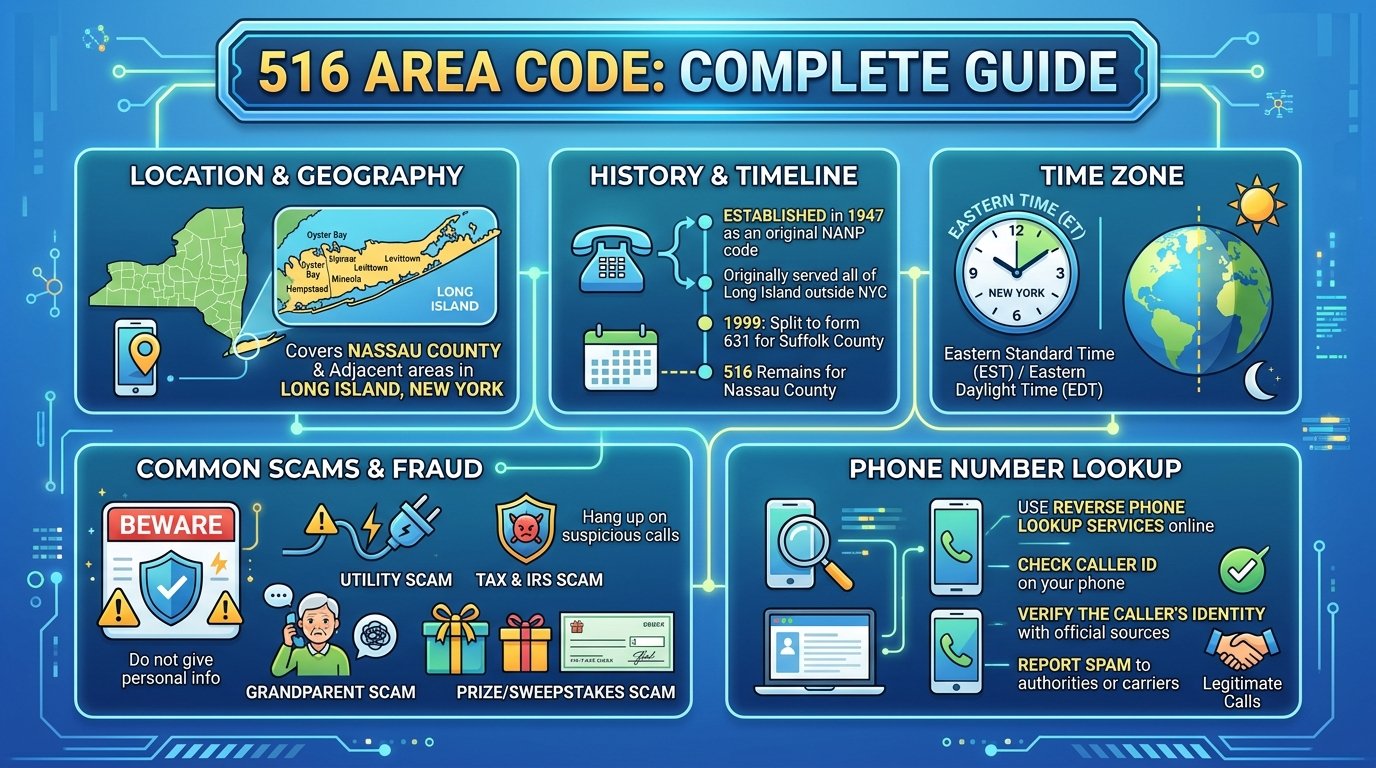
Read More: 516 Area Code: Complete Guide to Location, History, Time Zone, Scams, and Phone Number Lookup
Why the Numbering System Will Continue to Evolve
Demand for telephone numbers shows no signs of slowing. Population growth, connected devices, digital transformation, cloud communications, and business expansion all contribute to continued pressure on numbering resources.
Regulators continually monitor available numbering capacity to ensure Canadians maintain uninterrupted access to reliable telecommunications services. Future overlays remain a practical solution that balances growth with minimal disruption, allowing Toronto’s communication infrastructure to evolve alongside its expanding economy and increasingly connected population.