




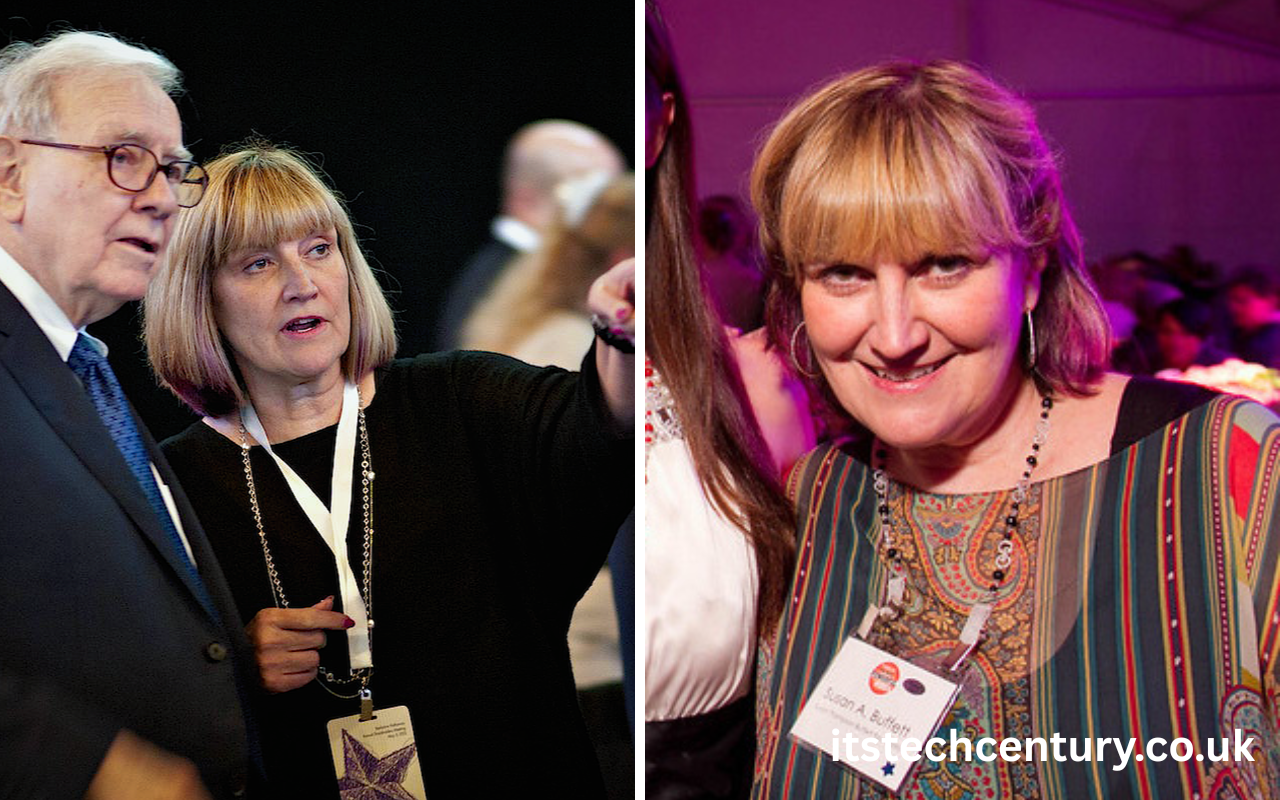
Susan Alice Buffett – Biography, Philanthropy, Net Worth, and Legacy of Warren Buffett’s Daughter
Early Life and Background of Susan Alice Buffett
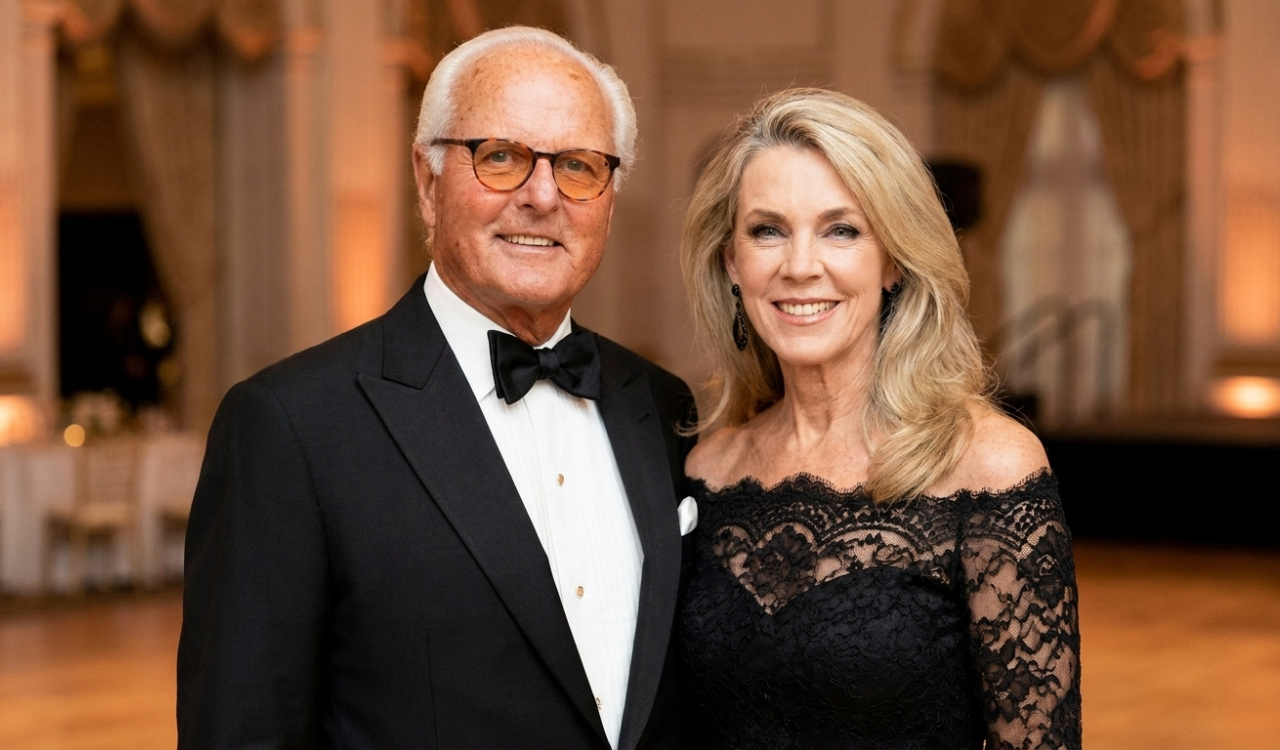
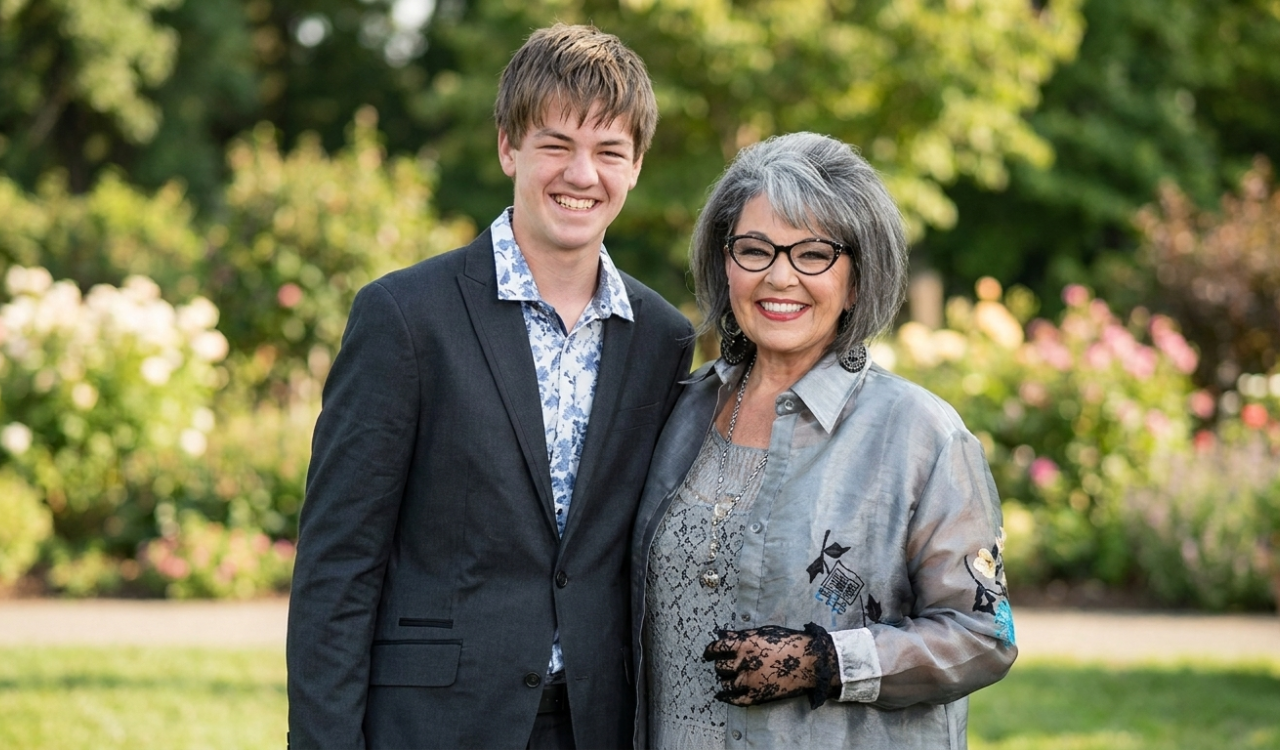
Susan Alice Buffett, often known as “Susie Buffett,” was born on July 30, 1953, in Omaha, Nebraska, United States. She is the eldest child and only daughter of legendary investor Warren Buffett and his first wife, Susan Thompson Buffett. Growing up in a highly influential family, she was exposed early to values of discipline, humility, and philanthropy rather than excessive luxury.
Despite being born into immense wealth, Susan’s upbringing was relatively modest compared to typical billionaire families. Warren Buffett is well known for encouraging financial independence in his children, and Susan was no exception. She developed a strong interest in social issues rather than business investments, which later shaped her career path in philanthropy.
Her early education took place in Nebraska, and she later attended the University of Nebraska–Lincoln. She also studied social ecology at the University of California, Irvine. These academic experiences helped shape her understanding of social systems, inequality, and community development.
Education and Early Career Development
Susan Alice Buffett’s education played a major role in shaping her worldview and long-term philanthropic mission. She studied home economics at the University of Nebraska–Lincoln, which reflected her early interest in family systems and community well-being. Later, her studies in social ecology at UC Irvine expanded her perspective on environmental and social relationships.
After completing her studies, she explored early career opportunities in media and administrative roles. She worked in Washington, D.C., including positions at organizations such as The New Republic, where she gained exposure to public policy and social advocacy environments. These experiences helped her understand the structure of nonprofit work and public institutions.
Unlike many children of billionaires who enter corporate leadership, Susan gradually moved toward nonprofit and philanthropic sectors. This shift marked the beginning of her lifelong commitment to charitable work focused on education, children, and underserved communities.
Family Influence and Relationship with Warren Buffett
Susan Alice Buffett’s life has been strongly influenced by her father, Warren Buffett, one of the world’s most successful investors. However, Warren Buffett deliberately raised his children to value independence and social responsibility rather than excessive wealth accumulation.
According to biographical accounts, Warren Buffett often emphasized that his children should create their own identity rather than rely on inherited wealth. This philosophy deeply impacted Susan, who chose philanthropy over business leadership. Even though she grew up in the Berkshire Hathaway environment, she did not take a corporate executive path.
Her relationship with her parents also shaped her philanthropic mindset. Her mother, Susan Thompson Buffett, was a strong advocate for civil rights and social causes. After her mother’s death in 2004, Susan Alice Buffett took on an even greater role in continuing her legacy of charitable giving and community support.
Philanthropic Work and Major Foundations
Susan Alice Buffett is widely recognized for her leadership in several influential charitable organizations. She is closely associated with the Sherwood Foundation and the Buffett Early Childhood Fund, both based in Omaha, Nebraska. These foundations focus heavily on education, early childhood development, social justice, and support for low-income families.
The Sherwood Foundation, in particular, provides grants to nonprofit organizations that work in education reform, human services, and community development. Susan has played a central role in guiding its mission toward improving opportunities for disadvantaged children and families.
She is also involved in the Buffett Early Childhood Fund, which focuses on early learning programs and child development initiatives. Her philanthropic approach emphasizes long-term impact rather than short-term charity, aiming to create structural improvements in education and social systems.
Leadership Role in Social Impact and Community Development
Susan Alice Buffett’s leadership style in philanthropy is often described as practical, strategic, and community-centered. Rather than pursuing public recognition, she has preferred to work behind the scenes, funding organizations that directly serve communities in need.
Her work includes supporting education programs, healthcare access initiatives, and social equity projects. She has also been connected to advocacy efforts related to early childhood education and youth development programs, especially in underserved areas of Nebraska and other parts of the United States.
Over the years, she has become an important figure in American philanthropy circles. Her contributions reflect a long-term vision of reducing inequality through education and social investment rather than temporary aid
Personal Life and Public Image
Despite being part of one of the richest families in the world, Susan Alice Buffett maintains a relatively private and low-profile lifestyle. She has rarely sought media attention and is known for her preference for working quietly through charitable organizations rather than public appearances.
She has two children and has balanced her personal life with her philanthropic responsibilities. Her public image is often associated with humility, simplicity, and dedication to meaningful social change.
Unlike many high-profile billionaires, Susan does not actively participate in corporate leadership at Berkshire Hathaway. Instead, her influence is strongest in nonprofit governance and community-focused initiatives.
Net Worth and Financial Standing
Susan Alice Buffett’s net worth has been widely discussed in media, although exact figures are not publicly confirmed. Various financial sources estimate her wealth in relation to her family holdings and philanthropic assets. However, much of her financial influence is tied to charitable foundations rather than personal luxury or investments.
It is important to note that her financial identity is closely connected to philanthropy. She plays a major role in managing and distributing funds through foundations rather than accumulating personal wealth. Reports often highlight that her focus remains on charitable impact rather than financial expansion.
Her position within the Buffett family also connects her indirectly to the larger Berkshire Hathaway legacy, especially as her father continues to allocate most of his fortune to charitable trusts managed by his children.
Political Views and Social Advocacy
Susan Alice Buffett is known for her involvement in social and political causes, particularly those related to education, healthcare access, and reproductive rights. Her mother’s activism in civil rights and family planning strongly influenced her worldview and philanthropic direction.
Through her foundations, she has supported various nonprofit organizations working in social justice, youth empowerment, and community health services. These efforts reflect a broader commitment to improving systemic inequality in American society.
Her philanthropic approach often aligns with progressive social policies, especially those aimed at improving opportunities for children from disadvantaged backgrounds.
READ MORE: Jerónimo Luna: Biography, Early Life, Family Background, and Emerging Journey in Entertainment
Legacy and Long-Term Impact
Susan Alice Buffett’s legacy is deeply tied to her role in shaping modern philanthropy within the Buffett family. Alongside her brothers, she is expected to play a major role in distributing one of the largest charitable fortunes in the world.
Warren Buffett has publicly stated that nearly all of his wealth will eventually be managed and donated through trusts controlled by his children, including Susan. This responsibility places her in a unique position of global philanthropic influence.
Her long-term impact is expected to continue growing as she helps direct billions of dollars toward education, social justice, and child development initiatives. Rather than being defined by wealth, her legacy is increasingly defined by strategic philanthropy and social transformation.