



Addison O’Dea: The Explorer and Filmmaker Bringing Hidden Cultures to the Screen
Early Life and Educational Background
Addison O’Dea was born in New York City on June 15, 1979, and grew up in an environment deeply connected to global culture, travel, and intellectual exploration. From an early age, he was exposed to international experiences that later shaped his approach to storytelling and documentary filmmaking. His upbringing included frequent travel, which helped him develop a fascination with remote societies, ancient traditions, and the relationship between history and human identity.
He attended the Dwight School in Manhattan and later earned a Bachelor of Science degree from New York University. During these formative years, O’Dea developed interests in anthropology, ethnography, religion, and global politics. These subjects would eventually become central themes in his filmmaking career. Unlike many commercial directors who focus mainly on entertainment, he became interested in understanding how people live in isolated, conflict-driven, or culturally unique environments.
His educational background gave him a foundation that blended academic curiosity with visual storytelling. This combination became one of the defining characteristics of his career. Rather than presenting cultures through a purely journalistic lens, O’Dea aimed to create emotionally immersive narratives that allow audiences to experience unfamiliar worlds in a more personal and cinematic way.
The Beginning of Addison O’Dea’s Filmmaking Career
Before becoming widely recognized for virtual reality documentaries and adventure filmmaking, Addison O’Dea worked as a writer and editor connected to travel and exploration media. He contributed to projects related to culture, history, and international travel while building a reputation as a storyteller willing to work in difficult and remote environments. His early work reflected a desire to explore regions often ignored by mainstream Western media.
O’Dea’s filmmaking style gradually evolved into a blend of anthropology and cinematic adventure. He traveled across Africa, Asia, the Middle East, and South America, documenting traditions, rituals, and communities that rarely appeared in popular documentaries. Instead of focusing only on tourism or surface-level travel content, he explored deeper social and spiritual dimensions within each culture. His projects frequently involved significant logistical challenges because many of the locations were politically unstable or geographically isolated.
One reason Addison O’Dea gained attention in the documentary world was his commitment to authentic access. He often spent long periods building trust with local communities before filming. This method allowed him to capture stories with a level of intimacy that distinguished his work from conventional travel programming. His productions began attracting partnerships with major media platforms interested in immersive global storytelling.
Work With National Geographic and Global Media Platforms
A major step in Addison O’Dea’s professional growth came through his association with organizations such as National Geographic and Discovery. He worked as a contributing editor for National Geographic Traveler and also became involved in documentary-style productions focused on history, religion, and cultural exploration. These opportunities helped him reach international audiences while expanding his influence within adventure filmmaking.
His work frequently explored themes connected to spirituality and ancient traditions. Some of his documentaries examined West African Vodun practices, hidden libraries in the Sahara Desert, and remote tribal communities. These projects combined investigative curiosity with visually striking cinematography, allowing viewers to experience places and rituals that are rarely documented in mainstream entertainment.
As streaming platforms and digital media expanded, O’Dea adapted quickly to changing audience expectations. He embraced new technologies and immersive formats while maintaining his commitment to cultural authenticity. This flexibility helped him remain relevant in a rapidly evolving documentary industry where viewers increasingly sought interactive and experiential storytelling.
Discovery TRVLR and the Rise of Virtual Reality Storytelling
One of the most important milestones in Addison O’Dea’s career was the creation of Discovery TRVLR, a large-scale virtual reality travel series produced with Discovery and Google. The ambitious project included dozens of episodes filmed across all seven continents and became one of Discovery’s biggest VR productions at the time.
The series focused on explorers, entertainers, spiritual figures, and unconventional individuals from different cultures around the world. Instead of using traditional documentary techniques, the VR format placed viewers directly inside ceremonies, deserts, mountains, crowded streets, and isolated villages. This immersive experience transformed the audience from passive viewers into active participants within the environment. O’Dea believed virtual reality could create stronger emotional connections between audiences and distant cultures.
The production process for Discovery TRVLR was extremely demanding. According to interviews, the team filmed in dangerous and restricted areas that required complex negotiations and extensive preparation. O’Dea emphasized that the goal was not simply to showcase exotic locations but to reveal the humanity and individuality within each community. The project established him as one of the leading voices in immersive documentary filmmaking and VR storytelling.
Addison O’Dea’s Focus on Anthropology and Human Culture
A defining aspect of Addison O’Dea’s career is his focus on anthropology and ethnographic storytelling. Many filmmakers travel internationally, but O’Dea’s work specifically centers on understanding how belief systems, rituals, conflict, and history shape communities. His documentaries often examine the intersection between tradition and modernity, particularly in places experiencing political or social change.
He has filmed in countries including Mauritania, Saudi Arabia, Benin, Myanmar, Togo, Vietnam, Algeria, Oman, Brazil, and South Africa. These experiences allowed him to document a wide range of spiritual practices, oral histories, and survival traditions. His projects regularly feature people living on the margins of mainstream society, including desert nomads, religious practitioners, and communities affected by war or economic instability.
What makes O’Dea’s storytelling style unique is his effort to avoid simplistic cultural stereotypes. Rather than portraying unfamiliar communities as mysterious or strange, he presents them as complex societies with deep histories and emotional realities. This human-centered approach has helped his work resonate with audiences interested in documentary filmmaking, anthropology, exploration, and international culture.
Major Film Projects and Documentary Productions
Beyond Discovery TRVLR, Addison O’Dea has been involved in several film and documentary projects that expanded his reputation within the entertainment industry. He worked on projects connected to exploration, conflict zones, and cultural identity while also collaborating with respected filmmakers and production companies.
One notable project linked to O’Dea is the developing Sahara-based action film commonly referred to as the “Tuareg Project,” associated with filmmaker Eugene Jarecki. The production focuses on Tuareg culture and desert life while blending cinematic storytelling with themes connected to identity and survival. O’Dea has also been connected to documentary productions exploring political and social issues on a global scale.
Recent industry reports also connected him to projects such as Unlikely Heroes and The Six Billion Dollar Man. His involvement in these productions demonstrated his ability to move between immersive travel content and broader feature documentary filmmaking. As streaming services continue investing heavily in documentaries, O’Dea’s combination of exploration, cinematic visuals, and cultural depth positions him as an influential modern filmmaker.
Personal Life and Relationship With Minnie Driver
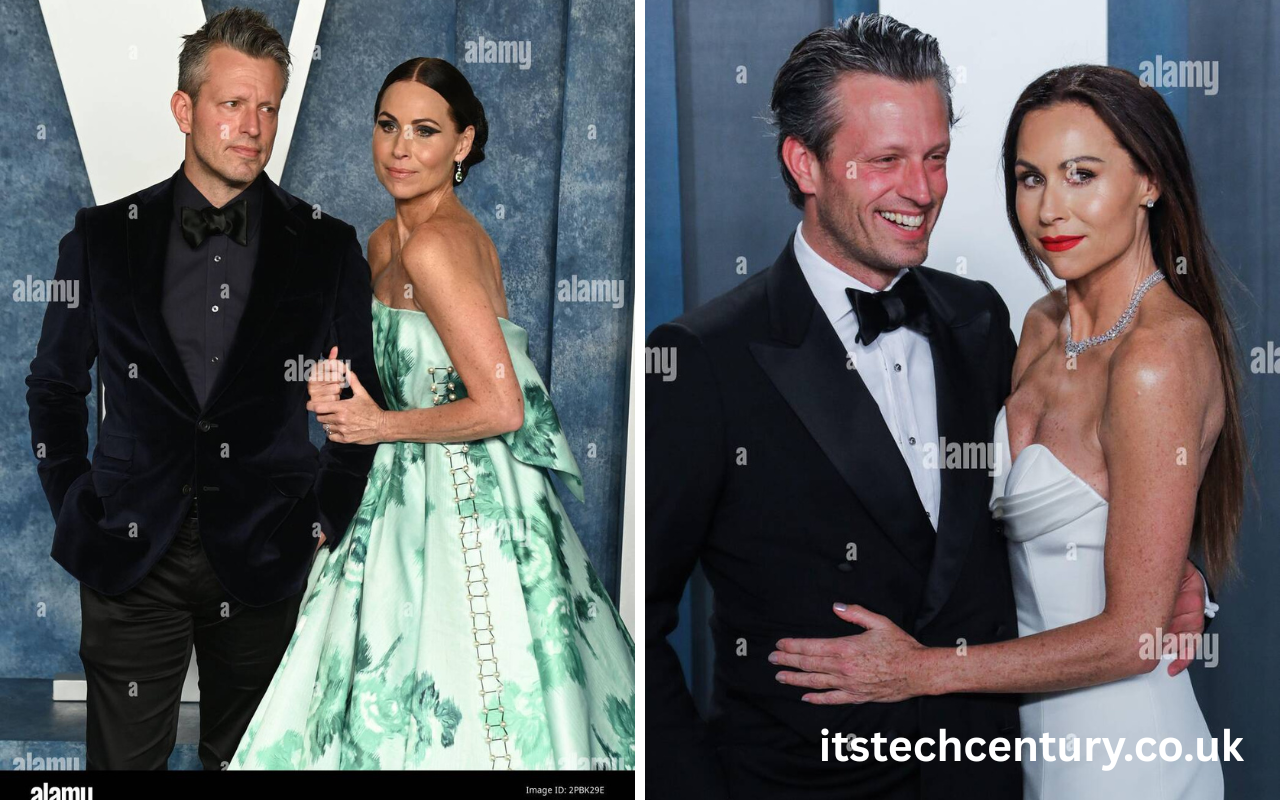
Addison O’Dea attracted additional public attention through his relationship with actress Minnie Driver. Reports about their engagement emerged in 2019 after the couple appeared together publicly at entertainment industry events. Their relationship introduced O’Dea to wider celebrity and entertainment audiences beyond the documentary filmmaking world.
Despite media interest in his personal life, O’Dea has generally maintained a relatively private public image. Most interviews and profiles focus on his professional work, travel experiences, and filmmaking philosophy rather than celebrity culture. This balance has allowed him to maintain credibility as a serious documentarian while still gaining mainstream recognition.
His background, personal experiences, and extensive global travel continue to influence his storytelling perspective. Many viewers and critics believe that his ability to navigate both intellectual documentary spaces and mainstream entertainment gives him a distinctive position within contemporary filmmaking.
Influence on Modern Documentary and Adventure Filmmaking
Addison O’Dea’s work reflects broader trends shaping modern documentary cinema. Audiences today increasingly seek immersive experiences rather than traditional narration-heavy documentaries. O’Dea embraced this shift early by experimenting with virtual reality, experiential storytelling, and cinematic travel filmmaking. His productions demonstrated how technology could create deeper emotional engagement with real-world subjects.
Another reason his influence continues to grow is his focus on access. Many filmmakers rely heavily on archival material or interviews conducted in controlled environments, while O’Dea frequently places himself in unpredictable and remote settings. This approach creates a sense of immediacy and authenticity that appeals to viewers interested in exploration, cultural discovery, and global affairs.
His storytelling also reflects a growing audience interest in international cultures and underrepresented communities. In an era dominated by rapid digital content, O’Dea’s slower and more immersive style offers a more thoughtful viewing experience. As documentary filmmaking continues evolving through streaming platforms and VR technology, his contributions remain highly relevant within the industry.
READ MORE: Stephanie Cozart Burton: The Life, Career, and Legacy of a Hollywood Makeup Artist
The Future of Addison O’Dea’s Career
The future appears promising for Addison O’Dea as immersive media and global documentary storytelling continue expanding worldwide. His experience with virtual reality, exploration filmmaking, and ethnographic storytelling positions him well for emerging media platforms that prioritize interactive and experiential content. Industry interest in documentaries has grown dramatically in recent years, creating new opportunities for filmmakers with distinctive creative visions.
O’Dea’s ability to blend cinematic adventure with anthropological depth gives him a unique creative identity. Whether directing feature documentaries, producing cultural travel series, or developing VR experiences, he continues exploring ways to connect audiences with unfamiliar parts of the world. His projects often appeal to viewers interested in history, religion, conflict, exploration, and human psychology.
As technology advances, filmmakers like Addison O’Dea may play an increasingly important role in shaping how audiences experience global storytelling. His career already demonstrates how documentary cinema can move beyond traditional formats to become more immersive, emotional, and culturally insightful. With ongoing projects and growing recognition in the entertainment industry, he remains an important figure in modern exploration filmmaking and cultural documentary production.