


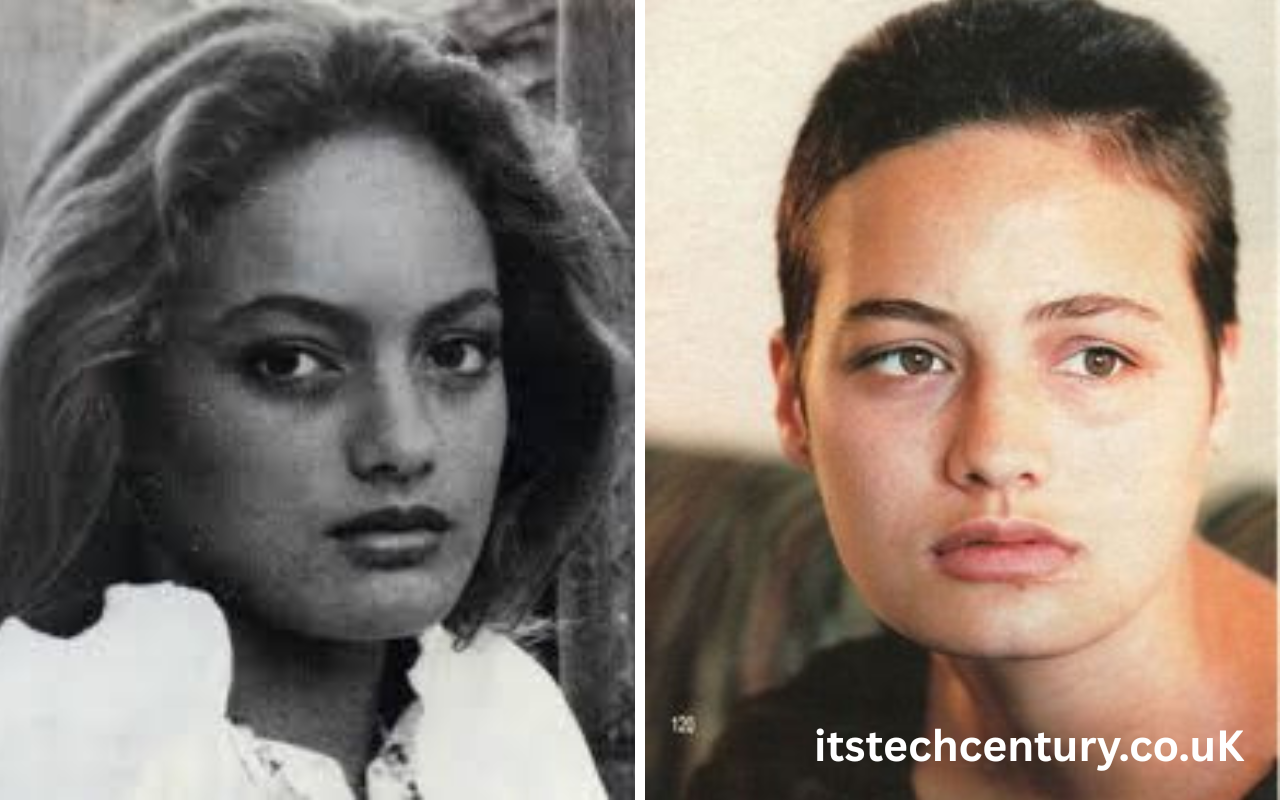
Cheyenne Brando: The Tragic Life, Family Legacy, and Untold Story of Marlon Brando’s Daughter
Early Life and Family Background Cheyenne Brando was born into one of the most recognized yet complicated Hollywood families of the 20th century. Born on February 20, 1970, in Tahiti, she was the daughter of iconic actor Marlon Brando and Tahitian actress Tarita Teriipaia. Her parents met during the filming of Mutiny on the Bounty, a relationship that brought together Hollywood fame and Polynesian cultural roots in a deeply personal way.
Despite her father’s global celebrity status, Cheyenne’s early life was not shaped by Hollywood luxury. Instead, she spent most of her childhood in Tahiti, raised primarily by her mother after her parents separated. This separation created emotional distance between her and Marlon Brando, who lived a reclusive life between the United States and his private island in the Pacific.
From the beginning, Cheyenne’s life was marked by dual identity. On one hand, she was connected to the glamorous world of cinema through her father, while on the other hand, she was deeply rooted in Tahitian culture through her upbringing. This contrast would later influence her emotional struggles and identity conflicts as she grew older.
Childhood in Tahiti and Upbringing
Growing up in Tahiti, Cheyenne Brando experienced a childhood far removed from Hollywood attention. Surrounded by the natural beauty of the islands, she lived a relatively quiet life compared to what many would expect from the daughter of a global superstar. However, emotional stability was not always present in her early years.
Her father’s frequent absence played a major role in shaping her emotional development. Although Marlon Brando occasionally visited or maintained some contact, Cheyenne reportedly felt a sense of abandonment during her formative years. This emotional gap created a longing for connection that would follow her into adulthood.
At the same time, her mother, Tarita, provided a stable and culturally grounded environment. Cheyenne grew up speaking French and Tahitian, developing a strong connection to her Polynesian identity. However, the emotional absence of her father remained a recurring theme in her life narrative.
Relationship with Marlon Brando
The relationship between Cheyenne Brando and Marlon Brando was complex, emotionally layered, and often strained. While she admired him deeply as a child, their bond weakened over time due to physical distance and emotional disconnect. Marlon Brando’s reclusive lifestyle on his private island further contributed to their separation.
As Cheyenne entered her teenage years, feelings of abandonment became more pronounced. She reportedly struggled with understanding her place within her father’s world, especially as he maintained relationships with other children and lived a highly private life. This emotional tension became a defining aspect of her psychological development.
Despite the distance, Cheyenne never fully detached emotionally from her father. Even during periods of conflict or instability, she continued to express a desire for connection. However, the complexity of their relationship often led to misunderstandings, public controversy, and emotional distress.
Love Life and Relationship with Dag Drollet
Cheyenne Brando’s relationship with Dag Drollet marked a significant turning point in her life. Drollet, a young Tahitian man from a respected local family, became her partner in the late 1980s. Their relationship was considered serious and emotionally grounding for Cheyenne during a turbulent period in her life.
The couple welcomed a son, Tuki Brando, in 1990. This moment brought hope and stability into Cheyenne’s life, as she embraced motherhood and planned a future in Tahiti. Her relationship with Drollet was often described as affectionate and deeply connected to her cultural environment.
However, underlying emotional struggles continued to affect her personal life. While her relationship appeared stable on the surface, Cheyenne was still dealing with unresolved emotional trauma and mental health challenges that would later escalate under tragic circumstances.
The 1990 Tragedy and Its Aftermath
In May 1990, Cheyenne Brando’s life changed forever when her partner, Dag Drollet, was shot and killed at Marlon Brando’s home in Los Angeles. The shooter was Cheyenne’s half-brother, Christian Brando, an event that shocked both the family and the public.
The incident became one of the most controversial tragedies connected to the Brando family. Christian Brando later claimed the shooting was accidental, but the case led to intense legal scrutiny and media attention. Cheyenne, already emotionally vulnerable, was deeply affected by the loss of her partner and the circumstances surrounding his death.
Following the tragedy, Cheyenne’s mental health began to deteriorate rapidly. She withdrew from public life, struggled with grief, and entered a prolonged period of emotional instability. The event became a turning point that shaped the remainder of her short life.
Mental Health Struggles
After the death of Dag Drollet, Cheyenne Brando was diagnosed with schizophrenia, a condition that significantly impacted her perception, behavior, and emotional stability. She also struggled with depression, substance use, and emotional trauma, all of which contributed to her declining mental health.
Her condition required multiple psychiatric treatments and hospitalizations. During these years, she experienced periods of isolation and difficulty maintaining consistent communication with family members. Her mental health challenges became widely known during legal proceedings related to the Drollet case.
Despite medical intervention, Cheyenne’s condition remained fragile. Emotional stress, combined with unresolved grief and family conflict, made recovery extremely difficult. Her struggles highlighted the importance of mental health awareness, especially in high-pressure family environments.
Legal Battles and Media Attention
The aftermath of the 1990 shooting led to extensive legal proceedings involving the Brando family. Christian Brando was arrested and later convicted in connection with the death of Dag Drollet. During this time, Cheyenne was called as a potential witness but was ultimately deemed mentally unfit to testify.
The media closely followed every development, turning the private tragedy into international headlines. Cheyenne found herself at the center of public attention despite her attempts to withdraw from the spotlight. Her statements and emotional condition were frequently analyzed and debated in the press.
This intense media scrutiny added further pressure to her already fragile mental state. The lack of privacy and constant public discussion of her family’s tragedy contributed to her growing isolation and emotional distress.
Motherhood and Son Tuki Brando
Despite the challenges in her life, Cheyenne Brando became a mother in 1990 with the birth of her son, Tuki Brando. This moment represented both hope and emotional complexity, as she attempted to build a future while dealing with personal trauma.
However, following her mental health decline, custody of Tuki was transferred to her mother, Tarita Teriipaia. He was raised in Tahiti away from public attention, receiving stability and care during his upbringing. This separation was deeply painful for Cheyenne, who remained emotionally connected to her son.
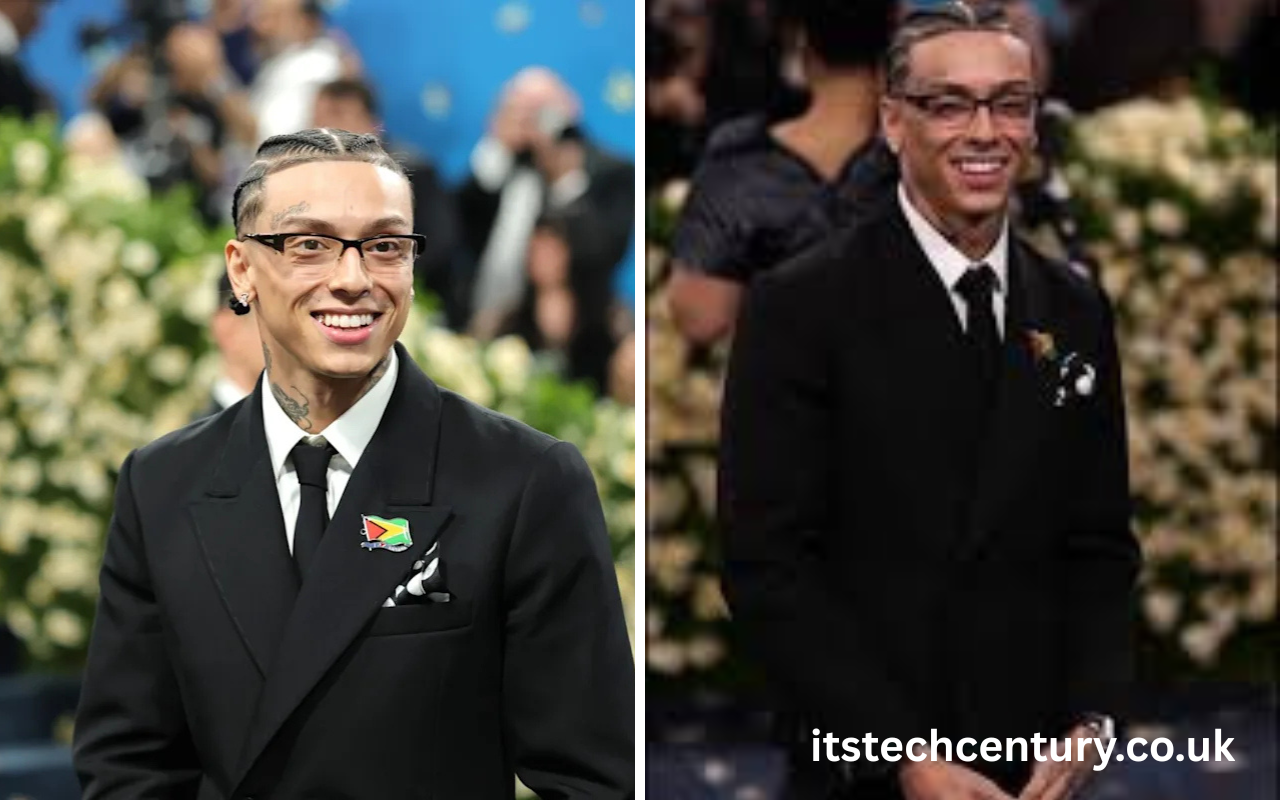
Tuki Brando later grew up to become a model and medical student, building a life independent of his family’s public struggles. His life represents continuity within the Brando lineage, even as Cheyenne’s own journey ended in tragedy.
READ MORE: Naomi Swann Feet Mae Capone Meaning, Background, and SEO Search Intent Explained
Death and Legacy
Cheyenne Brando died by suicide on April 16, 1995, in Tahiti at the age of 25. Her death marked the end of a life filled with emotional struggle, family conflict, and unresolved trauma. She was buried in Tahiti, surrounded by her cultural roots.
Her passing deeply affected her family, particularly Marlon Brando, who reportedly became increasingly withdrawn afterward. The tragedy added another painful chapter to an already complex family history that had long been under public scrutiny.
Today, Cheyenne Brando is remembered as a figure whose life reflects the hidden emotional cost of fame, family expectations, and untreated mental illness. Her story continues to be discussed in biographies and cultural analyses as a reminder of the human struggles behind celebrity families.