


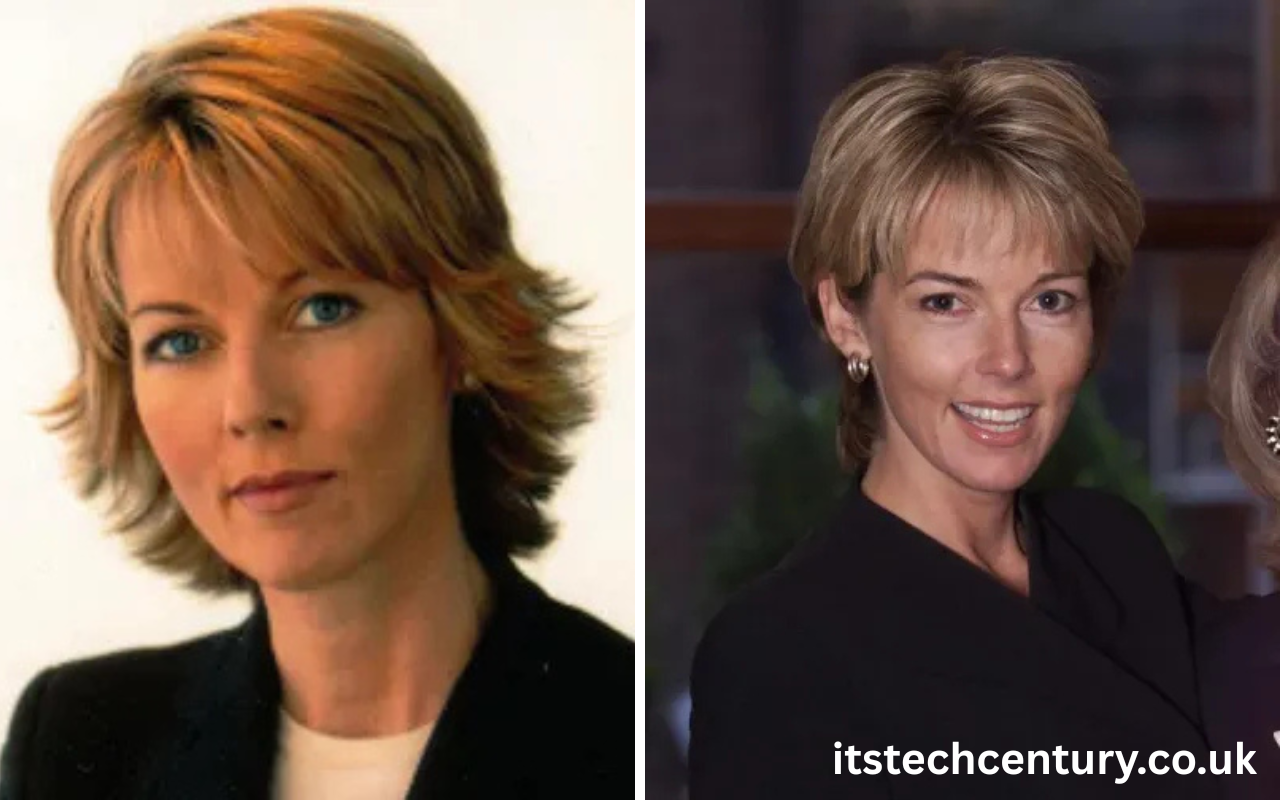
Mary Nightingale Biography: Life, Career, and Rise of ITV Evening News Presenter
Mary Nightingale Early Life and Family Background
Mary Nightingale, born Mary Louise Nightingale on 26 May 1963 in Scarborough, England, grew up in a supportive and well-educated family environment. She spent her early years moving between Buckinghamshire and Devon, which exposed her to different parts of British culture and shaped her communication skills from an early age.
Her upbringing played a major role in developing her confidence and curiosity about the world. She was raised in a disciplined academic setting and attended several independent schools, which helped build her strong foundation in language and expression.
From childhood, she showed interest in reading, storytelling, and public communication. These early interests later became the foundation of her successful career in journalism and television broadcasting.
Education and Academic Journey
Mary Nightingale studied English at Bedford College, University of London, where she developed strong analytical and writing skills. Her academic focus on literature and communication gave her the ability to understand storytelling at a deeper level, which later became essential in journalism.
During her university years, she became increasingly interested in global affairs and media communication. This interest guided her toward a career in broadcast journalism rather than traditional literature-based professions.
Her education also helped her develop confidence in public speaking and scriptwriting, both of which became essential skills in her later television career.
Early Career in International Journalism
Mary Nightingale began her journalism career outside the UK, gaining international experience in business reporting. She worked for TV Tokyo on World Business Satellite, where she presented financial news and learned the discipline of live broadcasting.
She later joined BBC World Service Television’s World Business Report, covering global economic and corporate stories. This role helped her build credibility as a serious financial journalist and sharpened her reporting skills.
She also worked for Reuters Financial Television, further strengthening her expertise in business journalism. These early experiences gave her a strong foundation in accuracy, professionalism, and global reporting standards.
Transition to UK Television and ITV Entry
After gaining international experience, Mary Nightingale returned to the UK and entered mainstream British broadcasting. She worked on regional news programs, including London Tonight, where she gained recognition for her calm and professional delivery style.
Her ability to handle both live reporting and structured news presentation made her stand out among other journalists. She gradually moved into national television roles, building her reputation within the ITV network.
By the early 2000s, she had already established herself as a reliable and experienced broadcaster, which led to her biggest career opportunity.
ITV Evening News Career and Major Breakthrough
Mary Nightingale became the main presenter of ITV Evening News in 2001, marking a defining moment in her career. Since then, she has remained one of the most consistent and trusted faces on British television news.
Her role involves presenting national and international news stories to millions of viewers every evening. She is known for her calm tone, clear delivery, and ability to handle breaking news with professionalism.
Over time, she became a central figure at ITV News, representing stability and credibility in UK broadcasting for more than two decades.
Major News Coverage and Reporting Work
Throughout her career, Mary Nightingale has covered some of the most significant news events in modern British history. These include general elections, royal events, major political changes, and international crises.
She has also conducted interviews with key public figures and families involved in major national tragedies. Her reporting style is known for being respectful, balanced, and emotionally aware when dealing with sensitive topics.
Her work during breaking news events has often been praised for clarity and reliability, making her one of the most trusted journalists in the UK media industry.
Awards, Recognition, and Professional Reputation
Mary Nightingale has received several awards for her excellence in journalism, including being named Newscaster of the Year multiple times by the Television and Radio Industries Club.
Her long-standing presence in British television has earned her a reputation for professionalism, consistency, and credibility. She is widely respected within the broadcasting industry for her dedication and accuracy.
Her influence extends beyond television news, as she is often regarded as a role model for aspiring journalists and presenters in the UK.
Personal Life and Interest
Mary Nightingale is married to television producer Paul Fenwick, and the couple has two children. Despite her public career, she maintains a private personal life and avoids unnecessary media attention.
She is also involved in charitable work and supports several organizations focused on children and community welfare. Her personal interests reflect a balanced life outside her demanding career in journalism.
Her ability to separate professional and private life has contributed to her long-lasting stability and respected public image.
READ MORE: Bill Conlon: Life, Career, Journalism Impact and Legacy of a Baseball Writing Icon
Legacy and Influence in Journalism
Mary Nightingale is widely regarded as one of the most influential news presenters in British television. Her long career at ITV Evening News has made her a familiar and trusted figure in millions of households.
Her journey reflects dedication, discipline, and continuous professional growth. She has set a standard for modern news presentation through her calm, clear, and factual reporting style.
Even after decades in the industry, she continues to play a key role in UK journalism, leaving a lasting legacy for future generations of broadcasters.