
Amusement Park Characters: Magic, Costumes, and Guest Experience
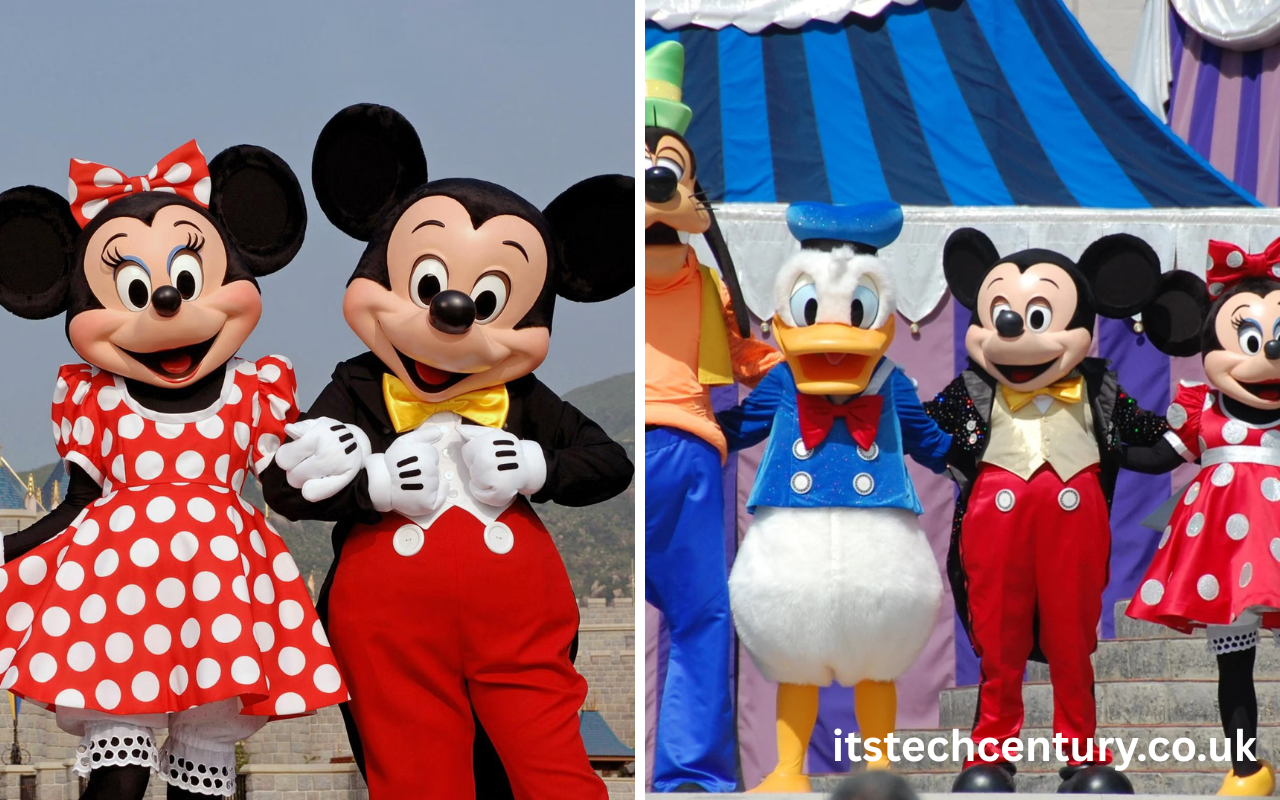
Amusement park characters are one of the most recognizable and emotional parts of theme park entertainment. These characters bring stories to life, interact with visitors, and create unforgettable memories for families and children. From costumed mascots to live performers, they are designed to enhance the atmosphere of joy, fantasy, and imagination.
When people search for “amusement park characters,” they are usually interested in how these characters are created, what roles they play, and why they are so important in theme park culture. They are not just entertainers—they are a core part of storytelling inside amusement parks.
This article explores amusement park characters, their types, history, design process, and their role in guest experience and entertainment industries.
Quick Bio
| Detail | Information |
|---|---|
| Name Type | Amusement Park Characters |
| Category | Entertainment / Mascots / Performers |
| Purpose | Guest interaction and storytelling |
| Appearance | Costumes, mascots, live actors |
| Common Locations | Theme parks, fairs, resorts |
| Function | Entertainment and engagement |
| Audience | Families, children, tourists |
| Style | Fictional, animated, themed |
What Are Amusement Park Characters?
Amusement park characters are fictional or themed personas created to interact with guests in entertainment parks.
They may include:
- Cartoon mascots
- Fairy tale characters
- Superheroes
- Original park-created characters
- Seasonal event characters
Their main purpose is to create an immersive environment.
History of Amusement Park Characters
The concept of themed characters in amusement parks developed alongside modern theme parks.
Early influences include:
- Circus performers
- Carnival mascots
- Storybook adaptations
- Animated film characters
Over time, parks began creating structured character systems for entertainment and branding.
Role of Characters in Theme Parks
Amusement park characters serve multiple purposes.
They help:
- Entertain visitors
- Create immersive storytelling
- Promote park branding
- Engage children directly
- Enhance emotional experience
They are central to guest satisfaction.
Types of Amusement Park Characters
There are several categories of amusement park characters:
1. Mascot Characters
These are fully costumed characters often representing the park itself.
Examples include:
- Animal mascots
- Cartoon-style figures
- Fantasy creatures
2. Live Action Characters
These are actors playing roles such as:
- Princesses
- Heroes
- Villains
- Historical figures
3. Animated-Based Characters
Inspired by movies and TV shows, often licensed.
4. Seasonal Characters
Special characters used for holidays like:
- Halloween monsters
- Christmas figures
- Festival-themed costumes
Costume Design and Creation
Creating amusement park characters involves detailed design work.
Costume designers focus on:
- Bright colors
- Durable materials
- Comfortable movement
- Safety for performers
- Visual appeal from distance
The goal is to ensure characters are both attractive and functional.
Training of Performers
People who play amusement park characters go through training.
They learn:
- Non-verbal communication
- Hand gestures and body language
- Character movement style
- Guest interaction rules
- Safety protocols
Since many characters do not speak, body language is very important.
Interaction With Guests
One of the most important roles of amusement park characters is interacting with visitors.
They often:
- Take photos with guests
- Wave and greet children
- Participate in parades
- Perform short shows
- Attend meet-and-greet sessions
These interactions create lasting memories.
Emotional Impact on Children
Amusement park characters are especially important for children.
They help children:
- Experience fantasy worlds
- Feel excitement and joy
- Engage with storytelling
- Build imagination
Meeting a favorite character can be a magical moment.
Parades and Live Shows
Many amusement parks organize parades featuring characters.
These parades include:
- Music performances
- Dance routines
- Themed floats
- Coordinated costumes
Live shows allow characters to perform scripted stories.
Safety Rules for Characters
Because performers interact closely with the public, safety is very important.
Rules include:
- No aggressive behavior
- Controlled movements
- Safe interaction distance
- Heat management inside costumes
- Emergency exit protocols
These rules protect both guests and performers.
Cultural Influence of Amusement Park Characters
Amusement park characters have become part of global pop culture.
They influence:
- Toys and merchandise
- Movies and animation
- Fashion and cosplay
- Social media trends
Many characters become global icons.
Behind-the-Scenes Work
A lot of work happens behind the scenes to maintain characters.
This includes:
- Costume cleaning and repair
- Scheduling performers
- Script planning for shows
- Character rotation management
- Makeup and preparation (for live actors)
This ensures consistent quality.
Technology and Modern Theme Parks
Modern amusement parks use technology to enhance character experiences.
Innovations include:
- Animatronics
- Interactive digital characters
- Augmented reality experiences
- LED-enhanced costumes
These innovations make characters more immersive.
Challenges of Performing as Characters
Performers face several challenges:
- Heat inside costumes
- Limited visibility
- Physical exhaustion
- Communication limitations
- Long working hours
Despite challenges, many performers enjoy the role.
Global Popularity of Theme Characters
Amusement park characters are popular worldwide in parks such as:
- Disneyland-style parks
- Universal Studios-style parks
- Local theme parks and resorts
Each park has its own unique character identity.
Why Amusement Park Characters Are Important
These characters are important because they:
- Bring stories to life
- Enhance visitor experience
- Create emotional connections
- Strengthen brand identity
- Increase tourism appeal
They are a key part of entertainment culture.
Future of Amusement Park Characters
The future of amusement park characters will likely include:
- More interactive technology
- AI-powered storytelling
- Real-time guest interaction systems
- Advanced costume engineering
The industry continues to evolve rapidly.
READ MORE: Joseph Rallo Lawsuit: Public Interest, Legal Discussions, and Online Attention
Conclusion
Amusement park characters are much more than costumes—they are storytellers, entertainers, and emotional connectors between fantasy and real life. They create magical experiences for visitors and play a major role in the success of theme parks around the world.
From mascots to live performers, these characters continue to shape the entertainment industry with creativity, imagination, and innovation. Their presence ensures that every visit to a theme park feels like stepping into a different world.
This article is published for informational purposes on itstechcentury.