







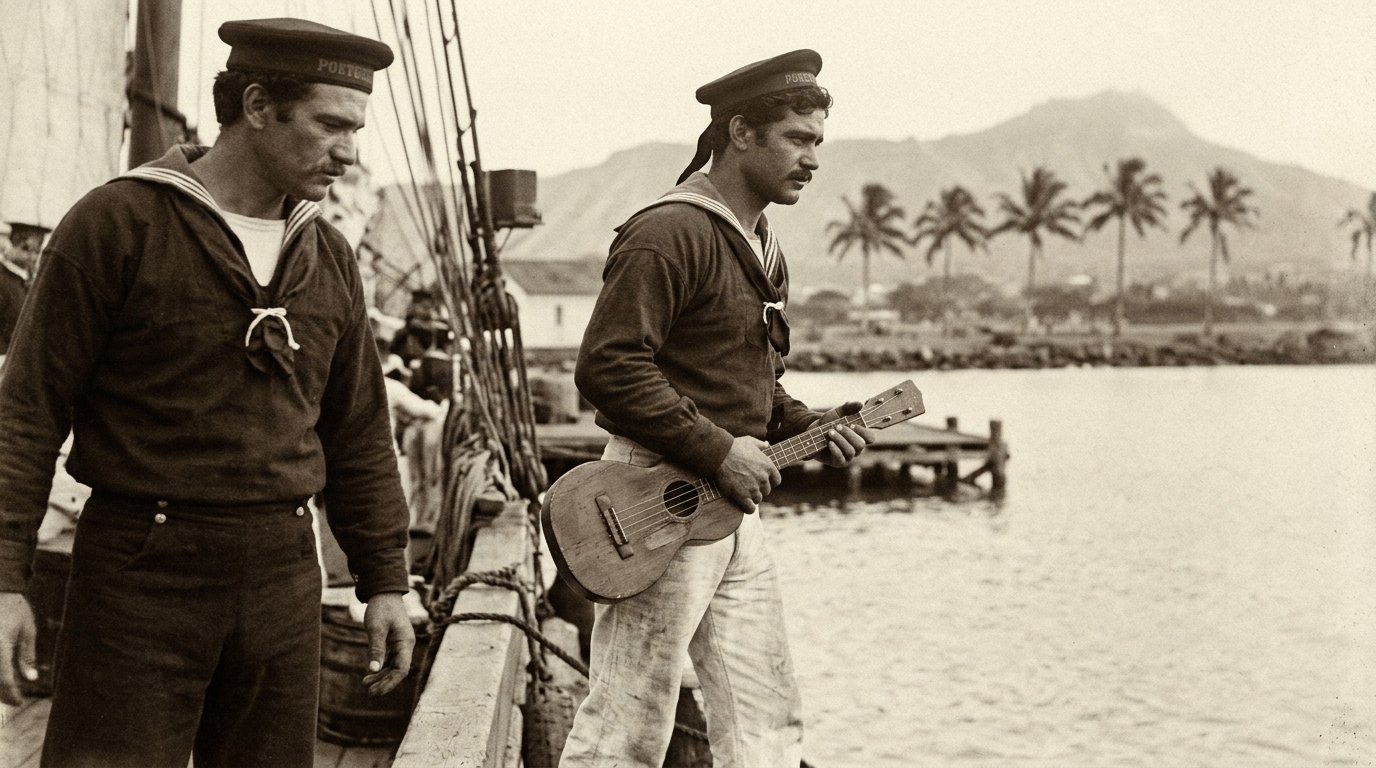
Ukulele History: From Hawaiian Tradition to Global Musical Icon
The story of ukulele history is far richer than many people realize. Although the ukulele is closely associated with Hawaii, its origins stretch across continents and cultures, blending European craftsmanship with Hawaiian creativity. Over more than a century, this small four-string instrument has evolved from a local favorite into one of the world’s most recognizable musical symbols.
Understanding ukulele history reveals how migration, cultural exchange, and musical innovation shaped an instrument that continues to inspire beginners and professionals alike. Whether played on tropical beaches, concert stages, classrooms, or social media platforms, the ukulele represents accessibility, joy, and a unique musical heritage that continues to grow.
The Origins of the Ukulele
The roots of the ukulele begin in the late nineteenth century when Portuguese immigrants arrived in Hawaii from the island of Madeira. Many of these immigrants were skilled woodworkers and instrument makers who brought small stringed instruments such as the braguinha, machete, and rajão.
These compact instruments caught the attention of native Hawaiians, who admired both their cheerful sound and portable size. Local musicians soon adapted the design, laying the foundation for what would become the modern ukulele and the beginning of authentic ukulele history.
Portuguese Influence on Hawaiian Music
The contribution of Portuguese craftsmen remains one of the most significant chapters in ukulele history. Instrument makers including Manuel Nunes, José do Espírito Santo, and Augusto Dias refined their traditional designs after settling in Hawaii.
Rather than simply copying European instruments, they adjusted dimensions, tuning, and construction techniques to suit Hawaiian musical preferences. Their craftsmanship established many of the design principles still found in quality ukuleles today.
Why It Is Called the Ukulele
One of the most fascinating stories in ukulele history concerns the instrument’s name. The Hawaiian word “ukulele” is commonly translated as “jumping flea,” a reference many believe describes the quick finger movements of talented players.
Although several theories exist regarding the exact origin of the name, the “jumping flea” explanation has become the most widely accepted. Regardless of its precise origin, the name has become inseparable from Hawaiian culture and musical identity.
Royal Support and Cultural Acceptance
A turning point in ukulele history came through the support of the Hawaiian monarchy. King David Kalākaua strongly encouraged the preservation and celebration of Hawaiian arts, music, and dance during his reign.
The ukulele became a regular feature at royal gatherings, celebrations, and cultural performances. Royal endorsement elevated the instrument’s status and encouraged wider acceptance throughout the Hawaiian Islands.
Traditional Construction Methods
Early ukuleles were handcrafted using locally available Hawaiian woods. Koa quickly became the preferred material because of its beautiful grain, lightweight characteristics, and warm tonal qualities.
Modern manufacturers continue to produce koa instruments alongside models made from mahogany, spruce, cedar, and laminate woods. This evolution reflects both changing production methods and the expanding global demand for ukuleles.
The Four Main Ukulele Sizes
As ukulele history progressed, builders developed multiple sizes to suit different playing styles and tonal preferences. The soprano became the traditional standard, while concert, tenor, and baritone versions expanded the instrument’s versatility.
Each size offers unique advantages. Smaller instruments provide the classic bright Hawaiian sound, while larger models produce greater volume, richer bass response, and increased playing comfort for experienced musicians.
| Ukulele Size | Typical Scale Length | Sound Characteristics | Best For |
|---|---|---|---|
| Soprano | 13 inches | Bright and traditional | Beginners and Hawaiian music |
| Concert | 15 inches | Fuller with extra projection | General playing |
| Tenor | 17 inches | Rich, warm, louder | Intermediate and professional musicians |
| Baritone | 19 inches | Deep, guitar-like tone | Guitar players and advanced performers |
The Spread Beyond Hawaii
The popularity of the ukulele expanded significantly during the early twentieth century. International exhibitions introduced visitors to Hawaiian music, creating widespread curiosity about the instrument.
American musicians soon embraced the ukulele, and manufacturers began producing affordable models for a growing audience. This period marked one of the most important expansions in ukulele history.
Hollywood and Popular Culture
Films featuring Hawaiian themes introduced millions of viewers to the ukulele. Its cheerful sound quickly became associated with relaxation, sunshine, and island life.
Radio broadcasts and recordings further accelerated its popularity. As entertainment industries expanded globally, the ukulele became recognized far beyond its Hawaiian origins.
Decline and Revival
Like many musical instruments, the ukulele experienced periods of declining popularity. The rise of electric guitars and rock music shifted public attention toward louder and more powerful instruments.
Interest returned decades later through music education, folk revivals, and online learning platforms. This remarkable comeback demonstrates the lasting appeal documented throughout ukulele history.
The Internet Era
Digital platforms transformed the way people learn music. Thousands of tutorials, virtual lessons, and performance videos made learning the ukulele easier than ever before.
Social media also helped build enthusiastic global communities where beginners and professionals share songs, techniques, and inspiration. This digital renaissance has introduced millions of new players to the instrument.
Modern Manufacturing
Today’s ukuleles are produced by both traditional luthiers and large international manufacturers. Advances in technology have improved consistency while making quality instruments more affordable.
At the same time, handcrafted Hawaiian ukuleles remain highly respected for their exceptional craftsmanship and authentic sound. Buyers now enjoy a wider selection than at any other point in ukulele history.
The Role of the Ukulele in Education
Schools around the world increasingly use the ukulele as an introductory musical instrument. Its soft strings, compact size, and simple chords help students gain confidence quickly.
Teachers appreciate that learners can perform recognizable songs after only a few lessons. This accessibility encourages lifelong musical participation while strengthening rhythm, coordination, and creativity.
Famous Ukulele Players
Numerous artists have contributed to the instrument’s worldwide recognition. Legendary Hawaiian musician Israel Kamakawiwoʻole introduced audiences to unforgettable ukulele performances through emotionally powerful recordings.
Performers such as Jake Shimabukuro have demonstrated the instrument’s remarkable technical capabilities, proving that the ukulele can perform everything from classical arrangements to jazz, rock, and contemporary compositions.
“Music is the universal language of mankind.” — Henry Wadsworth Longfellow
This timeless quote perfectly reflects the journey of the ukulele, whose music has crossed cultures, languages, and generations while remaining deeply connected to its Hawaiian roots.
Common Misconceptions
A frequent misunderstanding is that the ukulele originated entirely in Hawaii. In reality, its design evolved from Portuguese instruments before being transformed into a uniquely Hawaiian creation.
Another misconception is that the ukulele is only suitable for beginners. Modern performers continue to demonstrate extraordinary technical skill, proving the instrument is capable of complex musical expression across numerous genres.
The Lasting Legacy
Today, ukulele history continues to evolve as musicians discover new styles and audiences embrace its welcoming character. From traditional Hawaiian performances to modern pop music, the instrument remains remarkably adaptable.
Understanding ukulele history offers more than historical knowledge. It highlights how cultural exchange, skilled craftsmanship, and musical creativity can transform a modest instrument into an enduring global symbol of happiness, community, and artistic expression.
Conclusion
The remarkable journey of ukulele history illustrates the power of cultural collaboration and musical innovation. What began as an adaptation of Portuguese stringed instruments became an essential part of Hawaiian identity before capturing audiences around the world.
As new generations continue learning, performing, and creating music with the ukulele, its story grows even richer. Appreciating ukulele history allows players and listeners alike to understand not only where the instrument came from but also why it continues to inspire millions across every continent.
What is the origin of the ukulele?
The origins of ukulele history trace back to Portuguese immigrants who introduced small stringed instruments to Hawaii during the late nineteenth century.
Why is the ukulele associated with Hawaii?
Although inspired by Portuguese instruments, Hawaii embraced, refined, and popularized the instrument, making it a central part of Hawaiian musical culture.
Who invented the modern ukulele?
There was no single inventor. Skilled Portuguese craftsmen in Hawaii collectively shaped the instrument into the form recognized today.
Why is the ukulele called the “jumping flea”?
The name likely refers to the rapid finger movements of players, although several historical explanations exist within ukulele history.
Why is the ukulele still popular today?
Its affordability, portability, gentle learning curve, and versatile sound have helped the instrument remain popular in education, entertainment, and contemporary music worldwide.